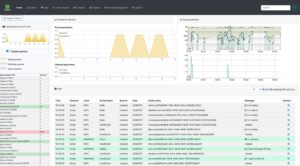


This case study explains how Léargas introduced real-time vulnerability correlation to raise alert accuracy, reduce noise, and speed response. As a result, analysts now get current vulnerability context the moment an alert is triggered.
Background
The Léargas platform already excelled at correlating data across logs, endpoints, and network activity. However, analysts often reviewed alerts without knowing each asset’s latest exposure. Consequently, teams spent extra time checking findings, which slowed triage and sometimes pushed low-risk events higher than they deserved.
Challenge
We set three goals. First, cut false positives that consumed analyst time. Second, improve trust in notifications so teams could prioritize with clarity. Third, shorten escalation and remediation to reduce attacker dwell time.
Approach
Correlation sits at the core of the Léargas platform. The team extended that strength with real-time vulnerability correlation. The platform ingests the latest scan results from existing tools, normalizes them, and maps them to assets and events. Then, as alerts fire, the system tags each one with relevant details such as severity, exploitability, and affected services. Because of this, analysts see what matters right away, without switching screens.
Implementation
To deliver reliable context at speed, we focused on a few concrete steps:
- First, stream and normalize scan outputs to maintain consistent, up-to-date findings.
- Next, link scan results to asset identities so the right exposure attaches to the right event.
- Then, tag alerts in flight with concise vulnerability notes that guide action.
- In addition, surface this context inside existing workflows and playbooks to drive the next step.
- Finally, monitor data freshness and mapping accuracy to keep trust high.
Operations Impact
With context at the point of detection, triage became faster and clearer. For example, if an alert involves a known high-severity exposure, analysts can escalate at once. Conversely, if no relevant vulnerability exists, they can safely lower the priority. Moreover, the team now moves from detection to action with fewer handoffs and less back-and-forth.
Results
After rollout, the platform delivered tangible benefits:
- Reduced false positives by anchoring decisions to verified exposure data
- Higher confidence in alerts and notices, which improved prioritization
- Faster escalation and remediation driven by live scan context
- Shorter dwell time as teams acted sooner on high-impact events
- Stronger overall security posture through consistent, informed action
Why It Matters
Real-time vulnerability correlation turns scattered scan results into timely context. Consequently, every alert has relevant and actionable information that is needed to decide quickly: suppress noise, investigate deeper, or start remediation. In short, Léargas converts complex signals into clear steps that protect the business.